HACKS FOR HUMANITY 2025 – SUMMARY

overview

Project Humanities Celebrates 12 Years of Hacking for Humanity

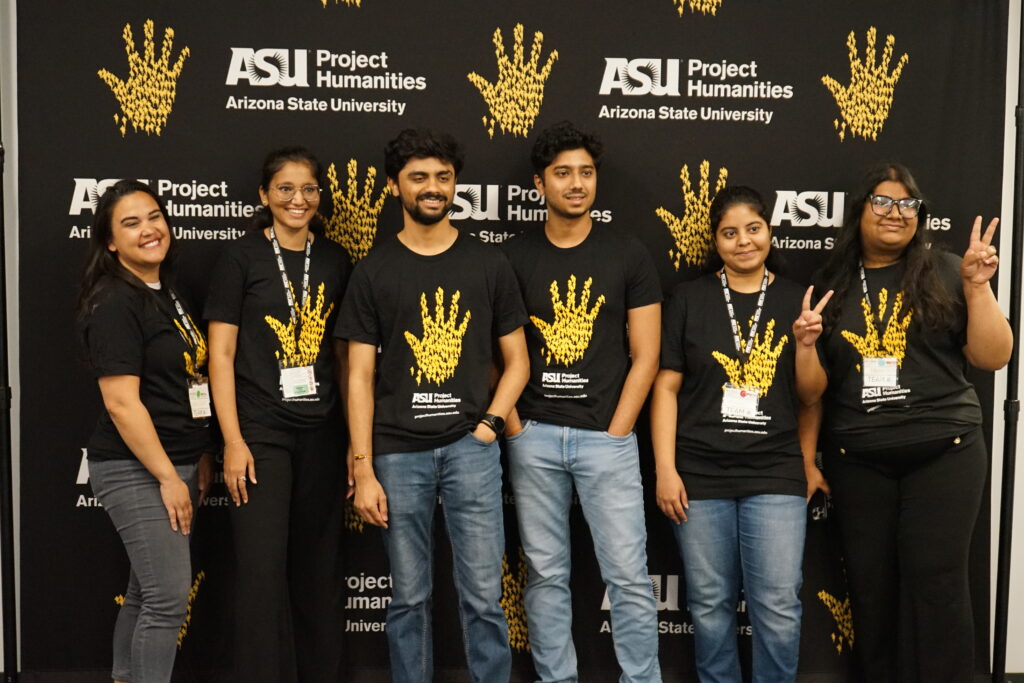
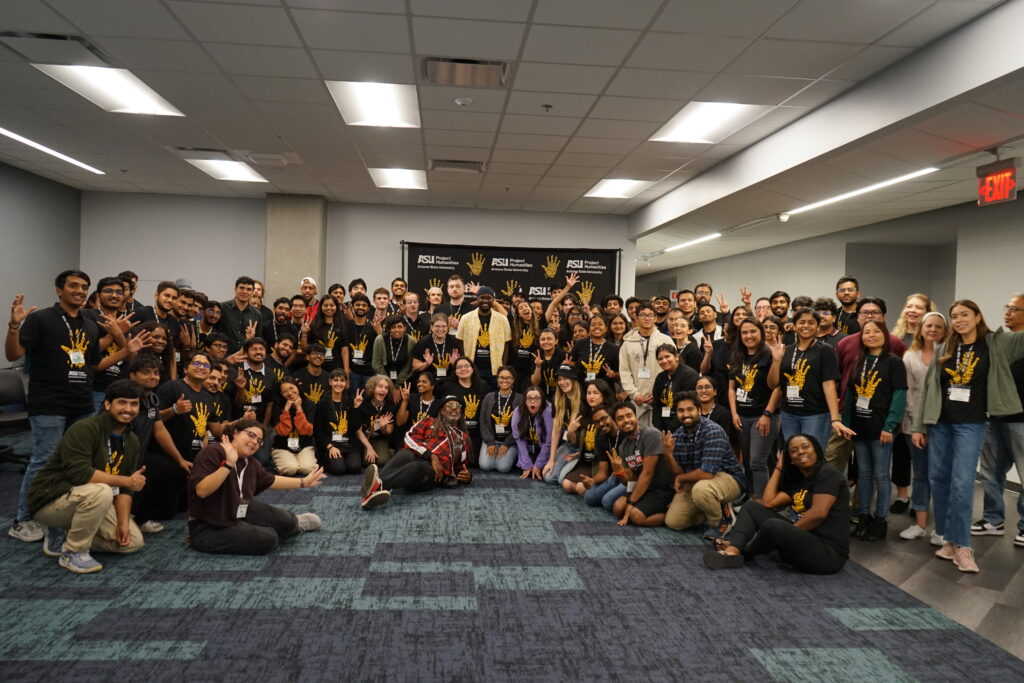
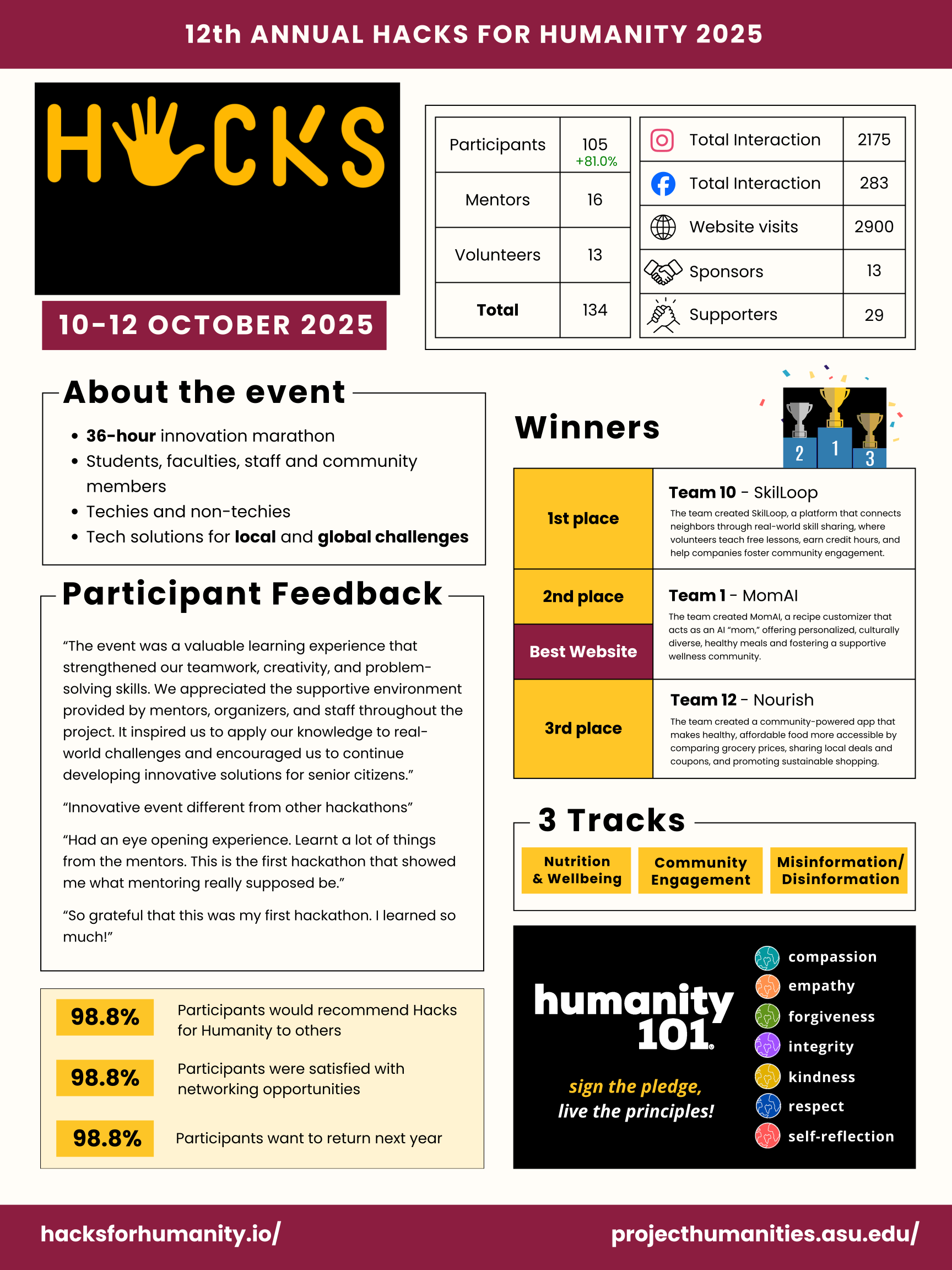
Project Humanities at Arizona State University held its 12th annual “Hacks for Humanity: Hacking for the Social Good” from October 10-12, bringing together 120 participants; including students, professionals, and retirees, for 36 hours of innovation. Teams of 7-8 members, drawn from diverse fields like engineering, business, and the arts collaborated to develop technologies addressing Nutrition and Wellbeing, Community Engagement, Misinformation/Disinformation. Each team’s project had to reflect at least 3 of these 7 Humanity 101® principles–compassion, empathy,  forgiveness,  integrity,  kindness, respect and self-reflection.  This year’s event, held at University Gateway Building on Mill  Avenue, Tempe.

TRACKS 2025

Nutrition and Wellbeing

How do people understand and address the spread of misinformation and disinformation in an age of rapid digital communication? What counts as “truth” in contested spaces, and who gets to decide? How do power, platforms, and perception shape what people believe?   

Community Engagement

How do individuals empower communities to foster connection, participation, and local impact?

Misinformation/ Disinformation

Throughout human history, conflict has been an inherent aspect of interaction, arising from disagreements, differing opinions, and competing values. Rather than viewing peace as merely the absence of conflict, how might we embrace the complexities and nuances of conflict? When navigated thoughtfully, how can conflict serve as a pathway towards positive change and greater social good and drive meaningful progress in our communities and beyond?
WINNERS 2025

First Place

SkillLoop (Team 10)
( Website Link )

Track: Community Engagement

Screens aren’t good teachers. People are good teachers, and the best way to learn a new skill is one-on-one, hands-on, with expert instruction. SkillLoop isn’t just another app but rather a way to escape apps, meet your neighbors, and develop real skills in real life. In addition, this is a new platform for volunteering opportunities marketed to companies and organizations with volunteer programs as a new venue for community enrichment. Volunteer instructors can earn volunteer credit hours by offering free lessons to community members. Humanity 101 Principles used here are – Kindness, Empathy, and Respect.

Second Place 

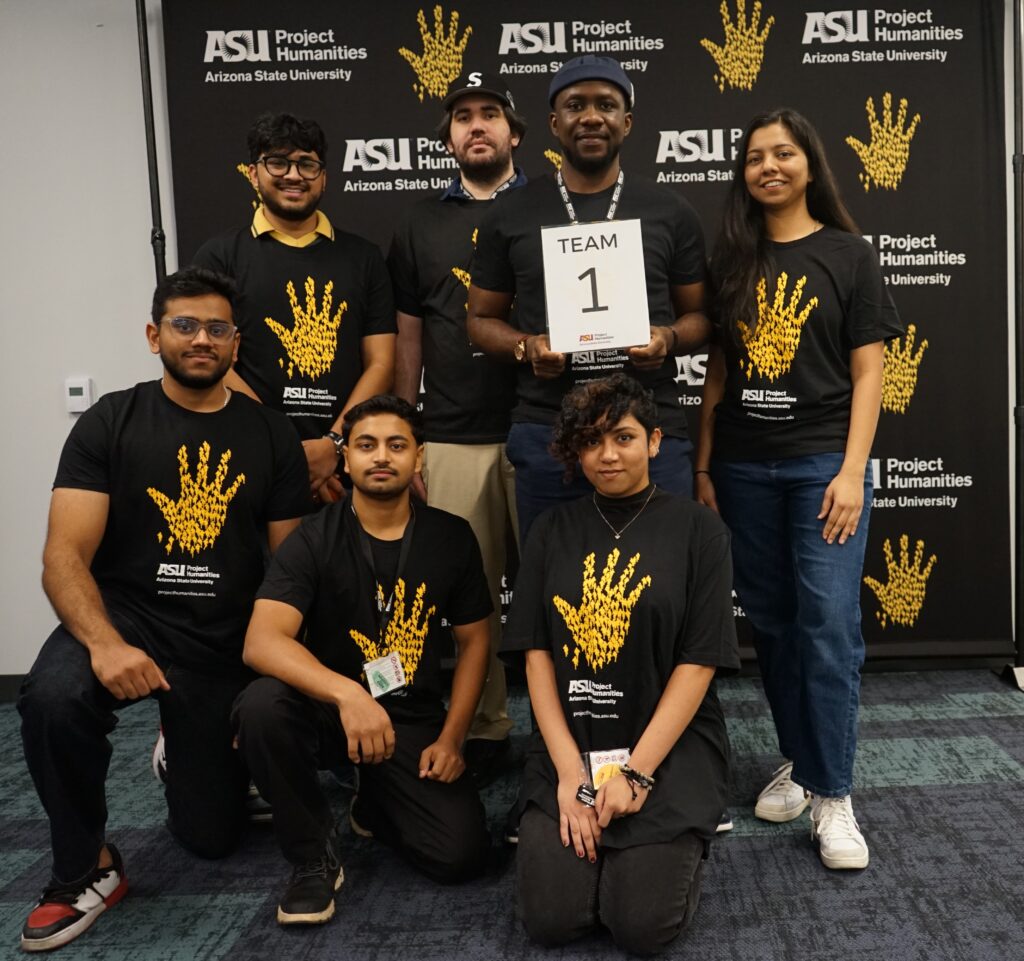
Team 1 momAI

( Website Link )

Track: Nutrition and Wellbeing

According to a report by the Pew Research Center (2025), approximately 20% (1/5) of US Americans have unhealthy diets. When deciding what to eat, taste is a high priority for most (83%), and home-cooked meals are more cost-effective than ordering takeout or eating at restaurants. MomAI is a recipe customizer that serves as a nurturing AI “mom,” providing personalized, culturally diverse, healthy meal options, and fosters an engaging community to keep users motivated on their wellness journey. Humanity 101 Principles used are – EmpathySelf-reflection, and Forgiveness.

Third Place

Team 12 Nourish 

( Website Link )

Track: Nutrition and Wellbeing

Many people struggle to afford healthy and nutritious food. Our product makes healthy and affordable food more accessible by showing people where to buy groceries at the best prices nearby. Our solution is a community-powered/planning app that compares prices from different stores, shares local deals and coupons, and promotes sustainable shopping. Humanity 101 Principles used here are – Integrity, Kindness, and Empathy.

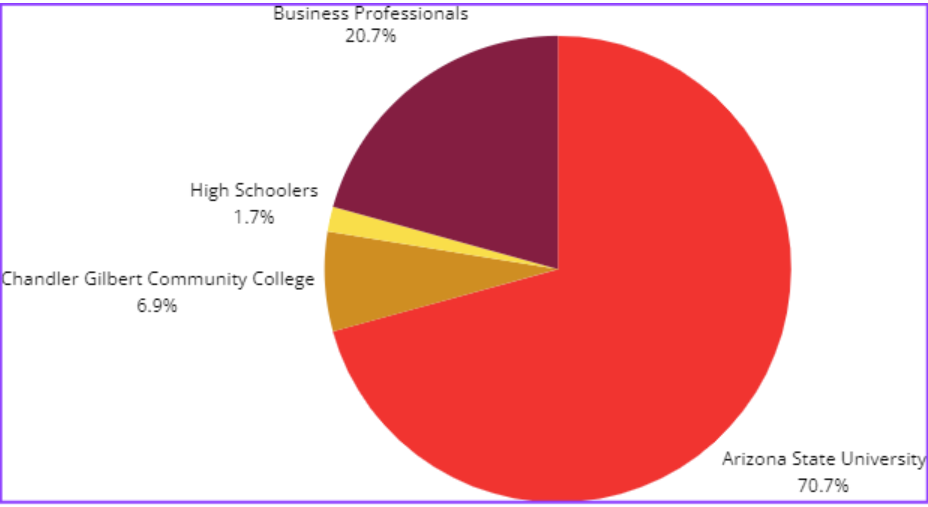
PARTICIPATION STATS

Education LevelNumber of Participants
Arizona State University (Graduate and Undergraduate)41
Chandler Gilbert Community College4
High schoolers1
Business professionals12

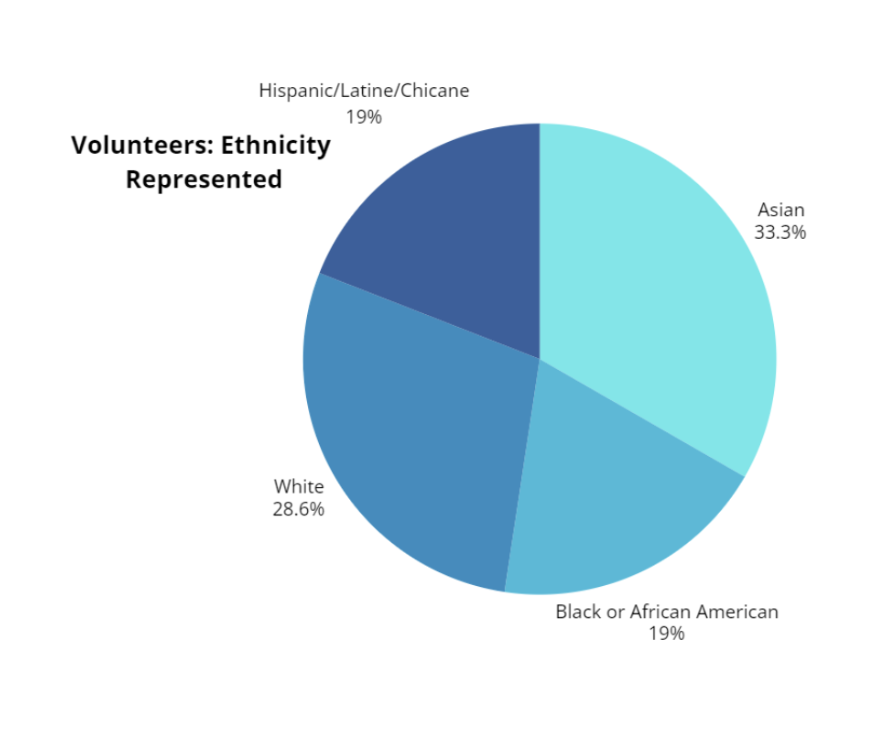
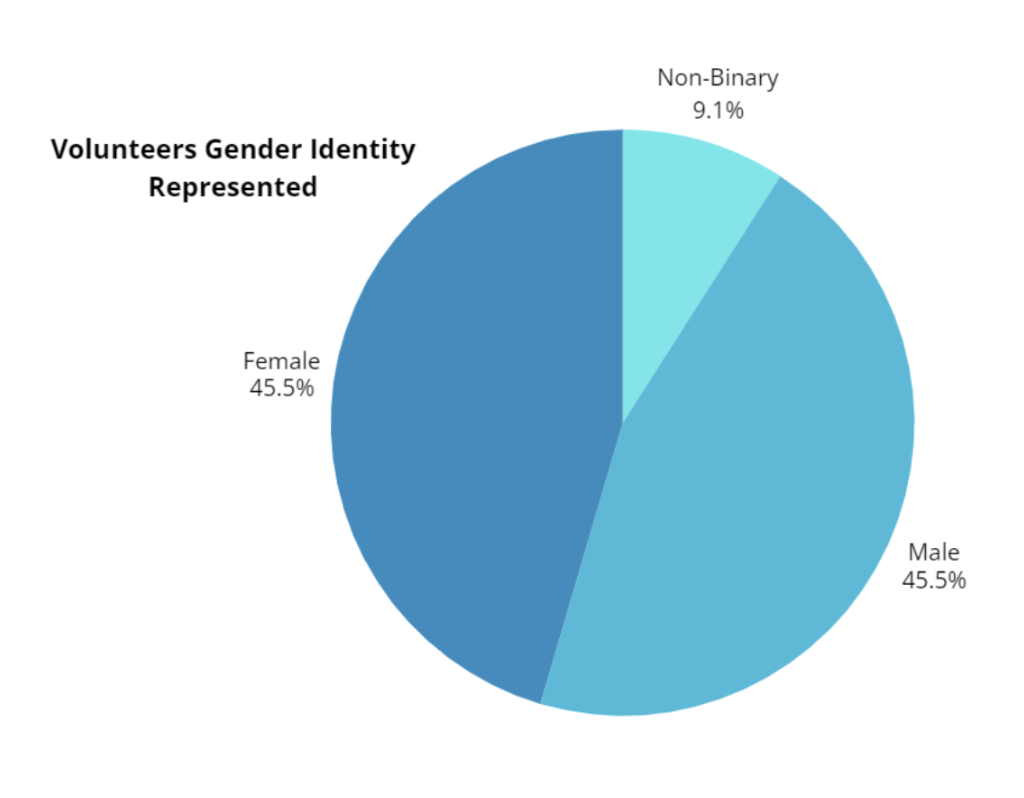
MENTORS and volunteers STATS

Mentors committed a minimum of 2-hour blocks wherein they tested teams’ ideas and offered guidance. Mentors utilized their expertise to help teams spark creativity, generate ideas, problem solve, and develop final presentations. Mentors were scheduled according to their expertise and assisted participants with submitting on time quality work for deadlines. Team participants were required to show both their Websites, Canvas Business Model and Challenge Statements to two mentors and run their pitch by a panel of mentors for feedback and approval before presenting their live pitches to final competition judges. Mentors from diverse fields provided critical perspectives for each team.

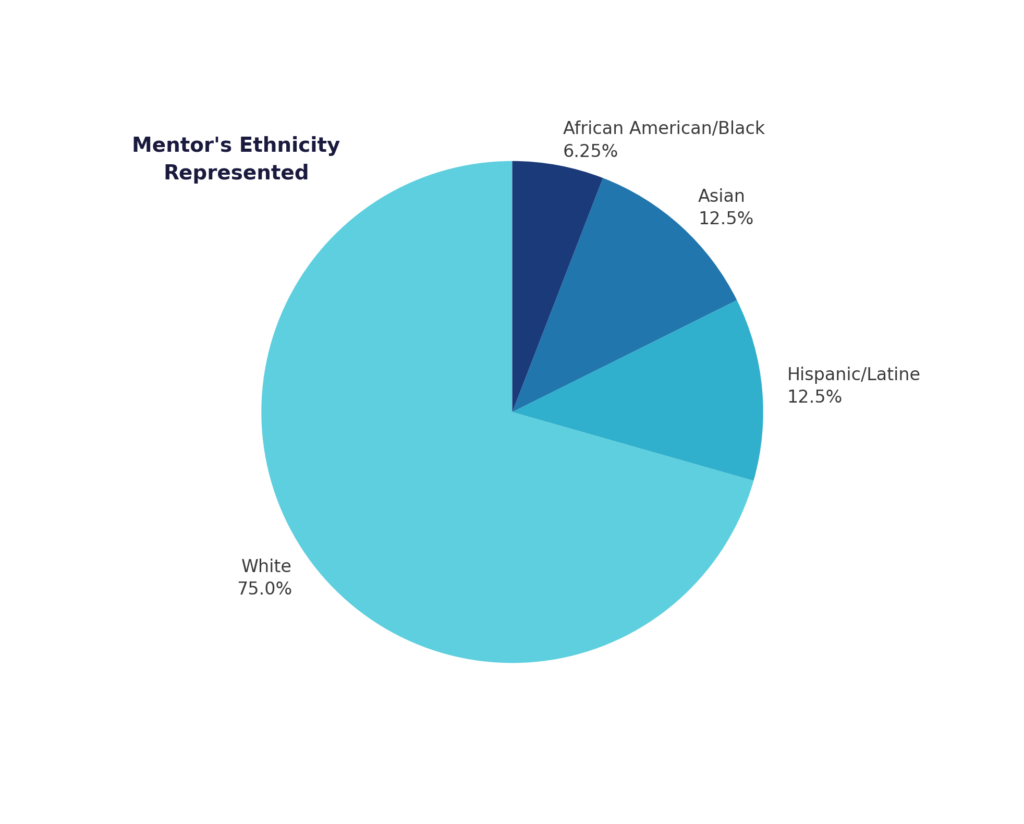
Mentor's Ethnicity Representation 2025
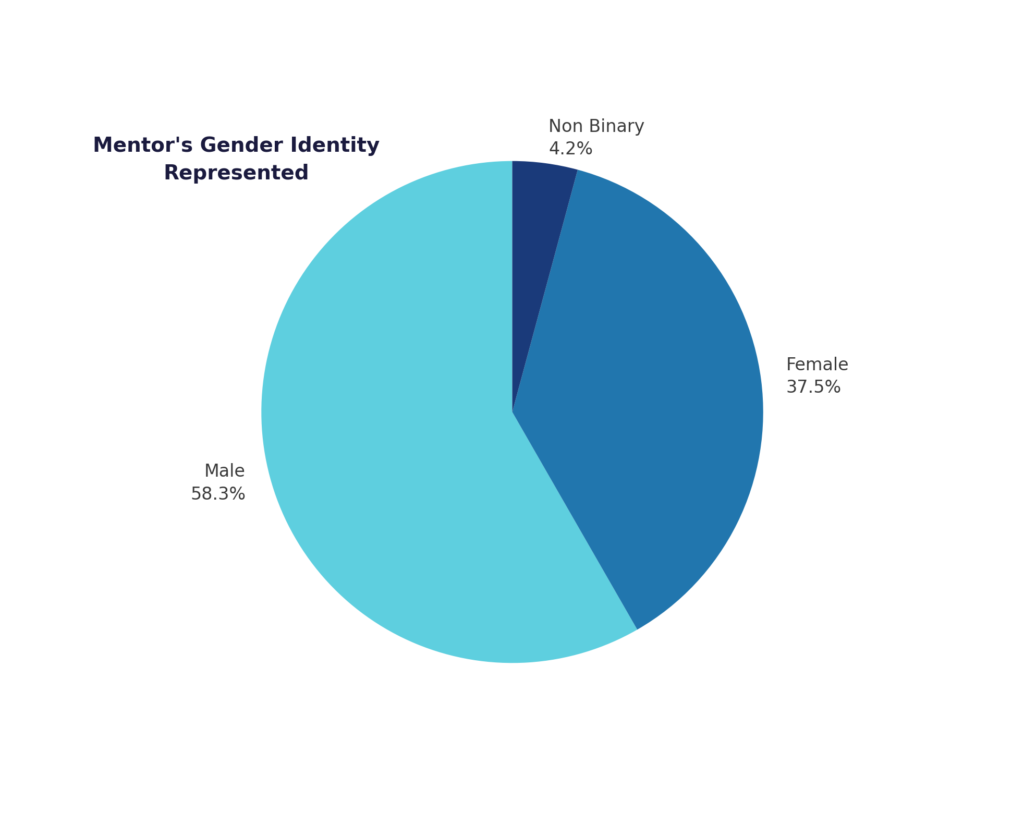
Mentor's Gender Identity Represented

Volunteers assisted with logistics such as event setup, distributing and collecting items for the lotteria, Sudoku, word finder game, verifying team submissions, as well as assisting Project Humanities staff as needed. There were a total of 13 volunteers.

Plenary

Sarah Florini

Ethics and Technology

Dr. Sarah Florini of the ASU Lincoln Center for Applied Ethics delivered a plenary speech addressing the increasing water consumption by data storage units and the pressing need for sustainable practices. She emphasized strategies for integrating green energy solutions to reduce environmental impact. Her insights urged a collective shift towards eco-friendly technologies in data management and ended with connections to our Humanity 101 principles.

Sarah Florini, PhD is an Associate Professor of Film and Media Studies and the Associate Director of the Lincoln Center for Applied Ethics, where she co-chairs the AI and Ethics workgroup. Her work focuses on race and technology, social media, and technology ethics. One of the first scholars to write about Black Twitter and the first to publish about Black podcasting, her work has consistently been at the forefront of race and technology studies. Her current NEH-funded research examines how TikTok content creators from historically marginalized groups understand and navigate the algorithmic governance of the platform.

JUDGES

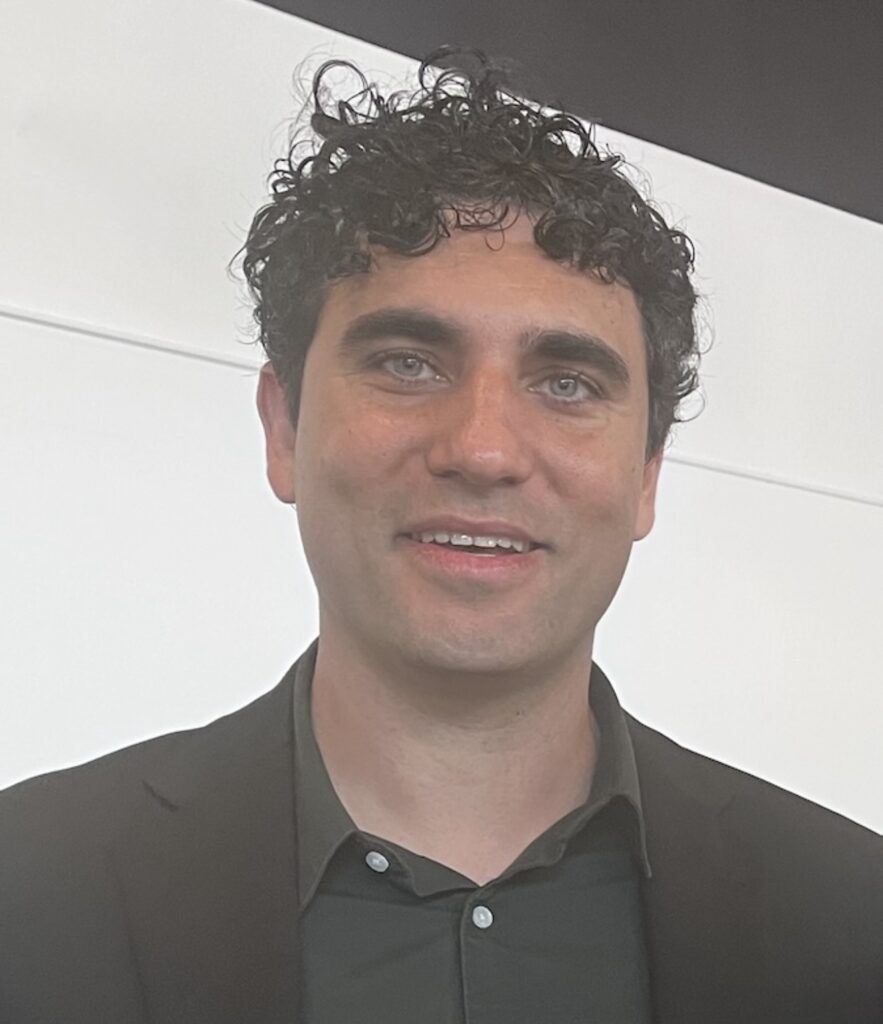
David Dilley

David Dilley is a director of the Ramsey Social Justice Foundation.The Ramsey Social Justice Foundation has a long history of supporting organizations dedicated to social justice, especially those working in marginalized and underrepresented communities worldwide.

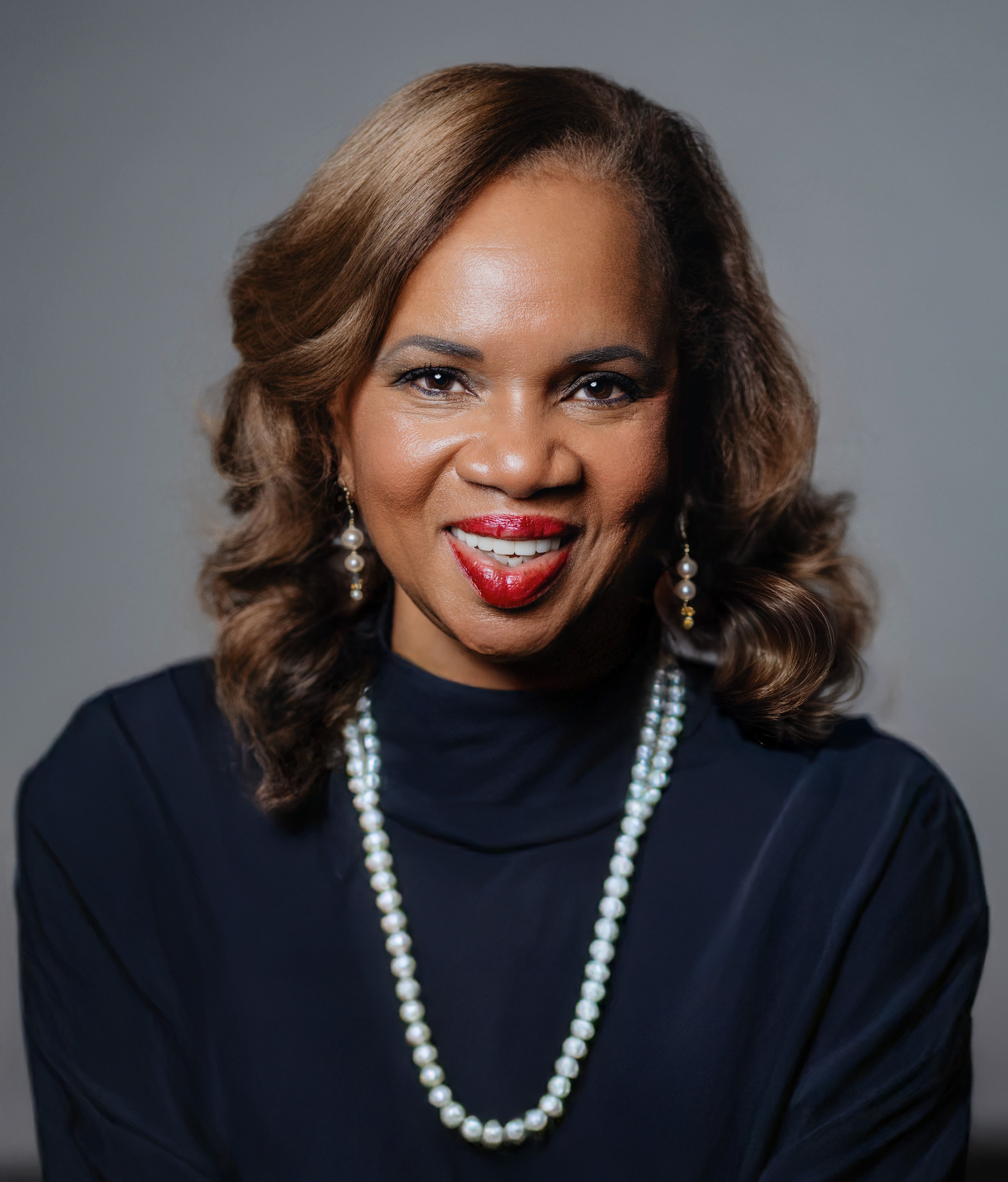
Janice C. Washington

Janice C. Washington As State Director of the Arizona Small Business Development Center Network, Janice C. Washington was a successful and innovative leader and developer of people and businesses. She held various leadership roles that included financial oversight, building small businesses and serving on state and national boards. Skilled in the application of critical thinking and analysis, she was successful in attaining key metrics and leading by example to bring together groups with diverse interests, skills, and influence to achieve a common goal. As former principal of J. C. Washington CPA, she provided income tax, accounting, audit, and review services combined with management of finance and administrative functions. Throughout her career, Janice prioritized focusing on the “Why”.

Dr. Loretta H. Cheeks

Dr. Loretta H. Cheeks is an Artificial Intelligence (AI) expert, research scholar, consultant, educator, and speaker. She is the founder of Strong TIES and DS Innovation. Throughout her career, she has helped organizations gain dynamic insights using computation and AI, serving private enterprises, governments, and nonprofits while advancing STEAM education globally

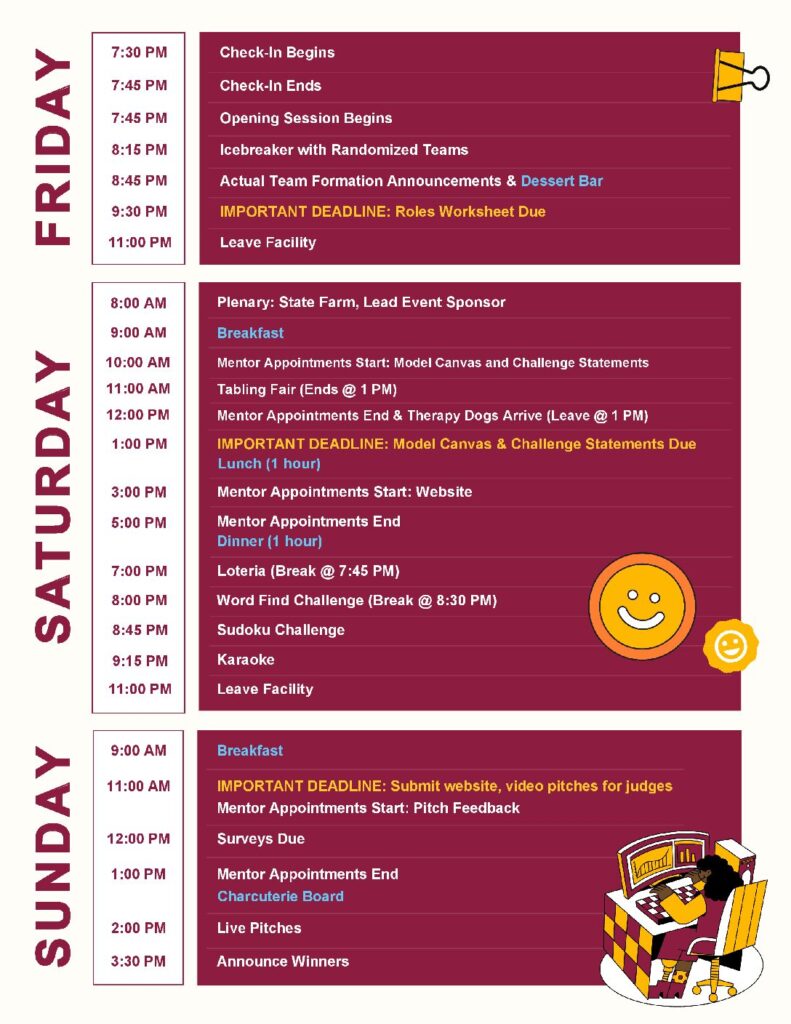
EVENT SCHEDULE

sponsors

NATIONAL SOFTWARE

Supporters